
Acne Unit
At our clinics in Madrid located at Calle Serrano 143 and La Moraleja
Índice
Dermatologists Specialized In
Acne Treatment
Acne is the most common reason for consultation in Dermatology. Although it is often associated with adolescence, it is a highly prevalent condition that can occur at other stages of life, from early childhood to menopause.
The Acne Unit of Grupo Pedro Jaén has a large team of dermatologists specialized in all types of acne, as well as the most advanced technology to offer each patient the most effective treatment according to their needs. Additionally, it is reinforced with the support of the Scar Unit with the aim of achieving the best possible aesthetic results. We treat this condition at both our Calle Serrano center (Madrid) and La Moraleja center (Alcobendas)
Reference Clinics in Spain
Home > Clinical Dermatology > Acne
What Sets Us Apart
Comprehensive and Personalized Approach
The Acne Unit of Grupo Pedro Jaén addresses this condition comprehensively, treating both active outbreaks and scars from the first consultation. We have the most advanced diagnostic technology to differentiate acne from other inflammatory skin diseases and design treatments tailored to each patient. Additionally, we work closely with other specialties such as endocrinology, gynecology, and nutrition to identify underlying factors and optimize results. Our approach combines medical therapies, laser technology, and aesthetic solutions to improve skin health and appearance.
Tratamiento del acné y sus cicatrices
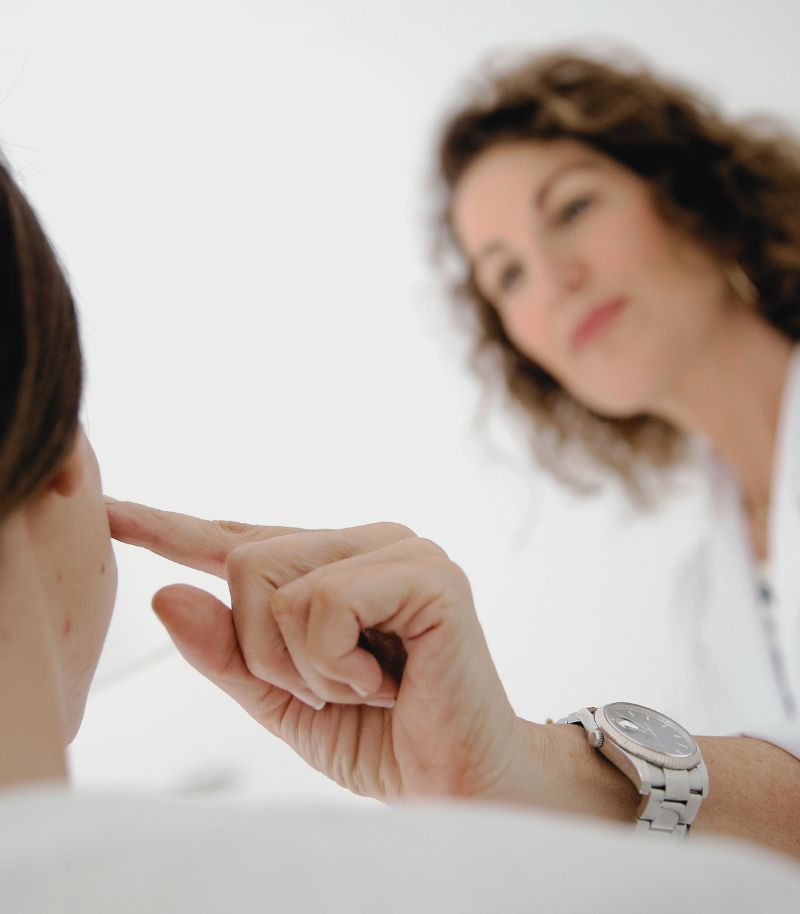
The Acne Unit of Grupo Pedro Jaén approaches acne from a comprehensive perspective, treating both active lesions and their sequelae from the very beginning. This simultaneous approach allows minimizing outbreaks and reducing the appearance of scars, improving long-term skin quality.
Acne control and mark prevention
Our specialists in acne treatment combine oral and topical treatments adapted to the severity of acne, regulating sebum production, reducing inflammation, and eliminating the bacteria responsible for the disease. In parallel, we apply laser to treat active lesions and prevent scar formation, avoiding post-inflammatory hyperpigmentation.
Scar correction with advanced technology
In cases where scars are already present, we have a protocol specifically designed to attenuate them, composed of several procedures such as subcutaneous laser, CO2 laser, and radiofrequency with microneedles, which stimulate collagen production and promote skin regeneration to improve texture and skin uniformity, restoring the skin’s natural and healthy appearance.
Abordaje multidisciplinar en casos complejos
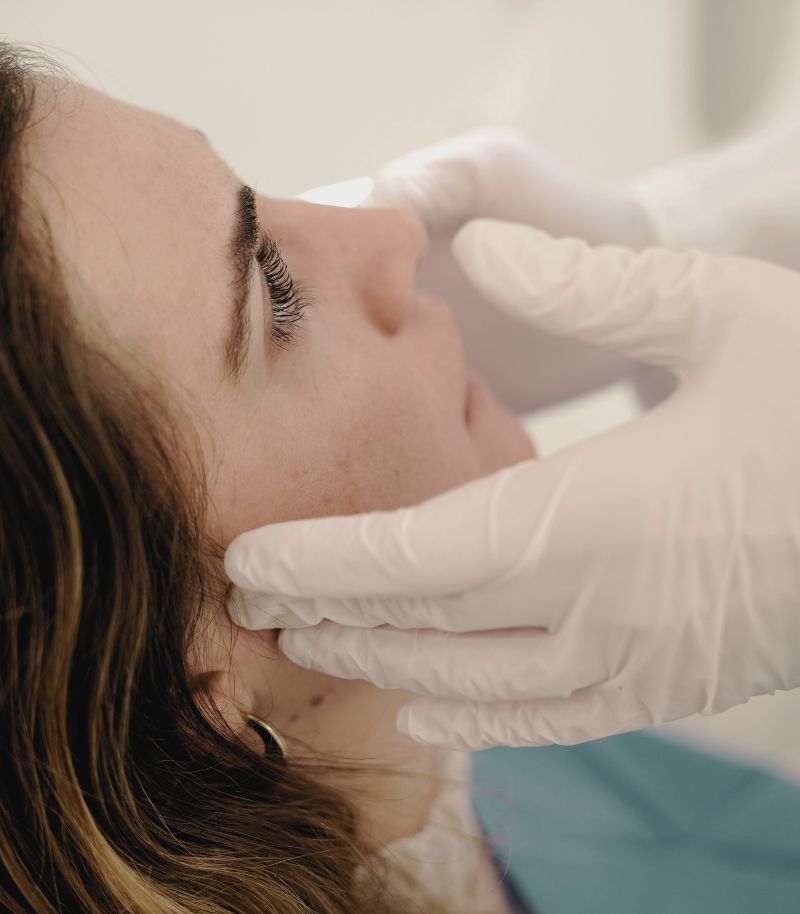
Acne can have hormonal, metabolic, and nutritional causes that require a comprehensive approach. In our unit, we work in coordination with other specialties to treat the disease from its origin and optimize results.
Support in hormonal and metabolic alterations
Acne in women can be related to polycystic ovary syndrome, hyperandrogenism, or hormonal imbalances. For these cases, we collaborate with gynecology and endocrinology units, designing treatments that regulate hormone levels and reduce the occurrence of outbreaks.
Dermatological care and skin wellness
In addition to medical treatment, our patients have access to the Beauty and Wellness Unit, where deep facial cleansings, post-laser hydrations, and soothing treatments specifically designed for acne-prone skin are performed. This combination helps maintain the skin in optimal condition throughout the therapeutic process.
Diagnóstico diferencial con tecnología avanzada
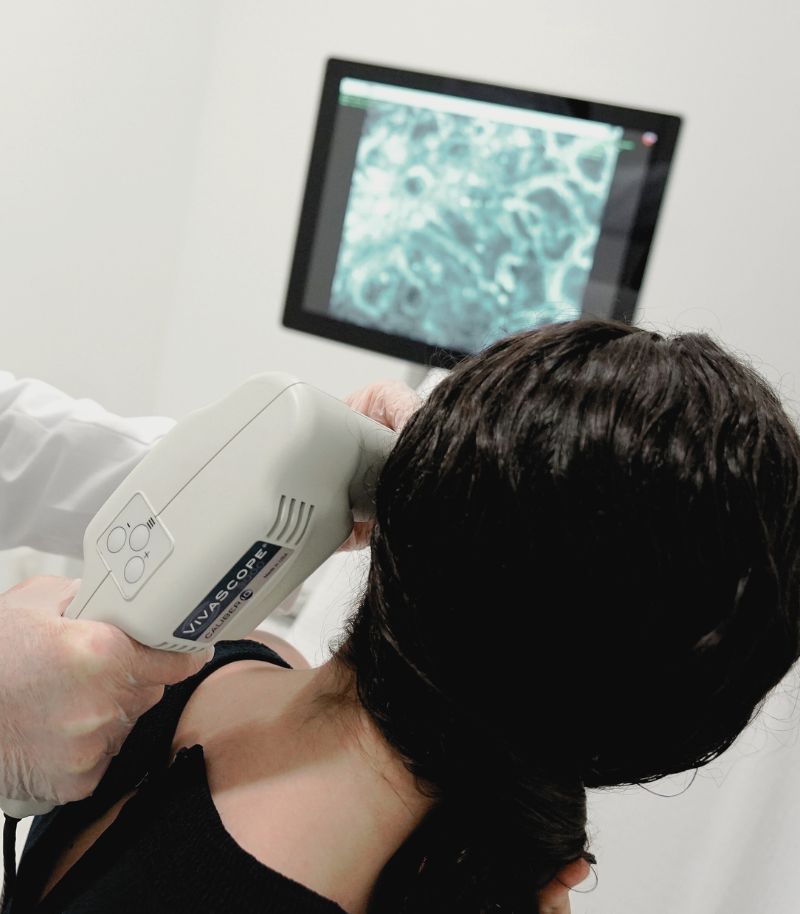
An accurate diagnosis is key to applying the most appropriate treatment. In our unit, we use advanced tools that allow us to differentiate acne from other similar pathologies and perform a detailed follow-up of its evolution.
Confocal microscopy and skin ultrasound
Confocal microscopy allows us to analyze the skin in depth and differentiate acne from other inflammatory diseases, such as rosacea. Skin ultrasound, along with 3D imaging systems, helps us assess the degree of acne involvement and measure the response to treatments accurately.
Continuous evaluation to adapt the treatment
Thanks to these technologies, our specialists in acne treatment perform a detailed follow-up of each patient, adjusting therapies according to the evolution of their skin. This continuous evaluation allows us to maximize treatment efficacy, minimize adverse effects, and achieve a faster and more effective recovery.

Terapias tópicas y orales
Acne treatment must be adapted to the needs of each patient, minimizing adverse effects and maximizing therapeutic efficacy. In our unit, we combine topical and oral treatments with a personalized approach based on the most recent scientific evidence.
Treatments tailored to each type of acne
Our specialists design individualized protocols, using antibiotics, retinoids, and other active ingredients to reduce inflammation, control sebum production, and prevent scar formation. Additionally, they have experience in the use of isotretinoin, optimizing doses to achieve the best result with the least possible toxicity.
Complementary support to improve therapeutic response
In cases where acne is related to hormonal imbalances or metabolic alterations, we collaborate with endocrinology and gynecology to prescribe complementary treatments that stabilize the body. We also advise on the use of specific cosmetics that protect the skin barrier, avoiding irritations and improving skin appearance.
Tratamiento avanzado con láser
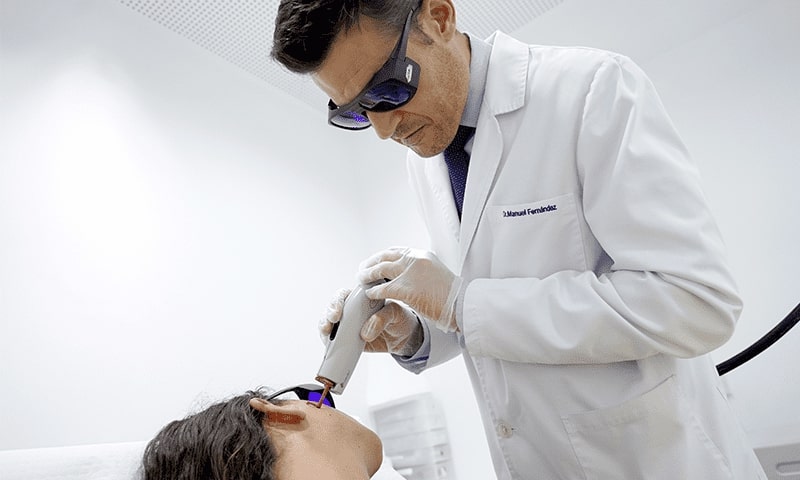
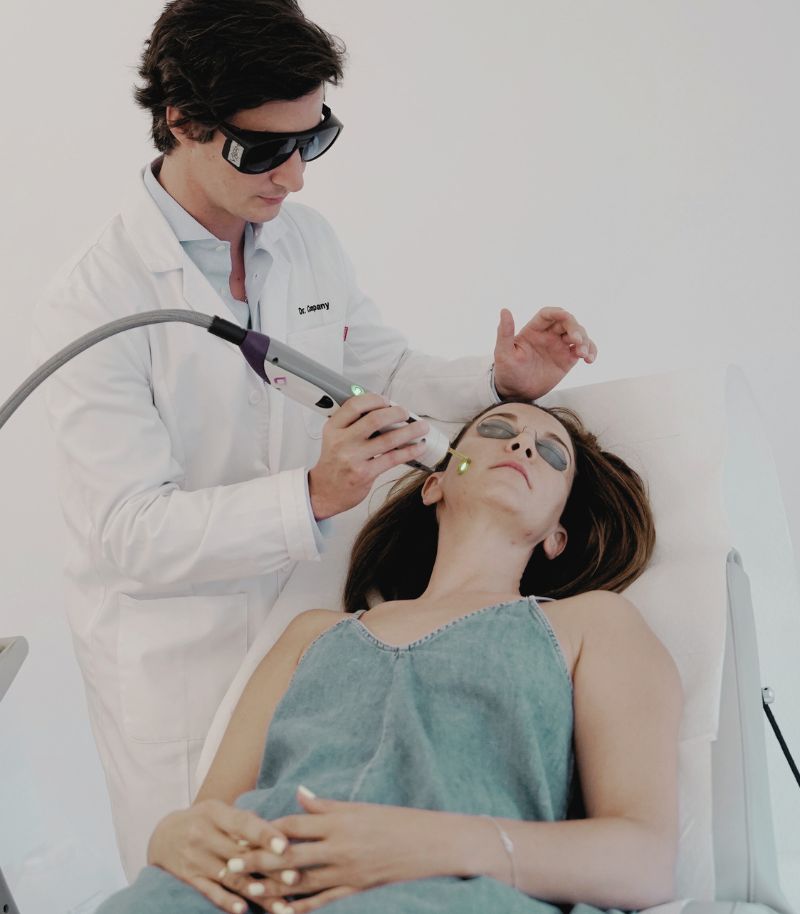
The Pedro Jaén Group has the most comprehensive laser platform in the private sector in Europe. This allows us to apply the most appropriate technology in each phase of acne, whether to reduce inflammation, eliminate the responsible bacteria, or improve skin texture.
Laser for active outbreaks
Pulsed dye laser and vascular laser are especially effective in reducing redness and inflammation of active lesions. Additionally, they have an antibacterial effect that directly combats the proliferation of Cutibacterium acnes (formerly known as Propionibacterium acnes), accelerating the resolution of outbreaks.
Specific protocol for scars
Our dermatologists have designed a specific protocol to treat acne scars, a problem that, for some patients, can be even more severe than acne itself.
Especially indicated for sunken or ice pick scars, this protocol combines subcutaneous laser, CO2 laser, and radiofrequency with microneedles. The goal is to break up fibrotic tissue and stimulate collagen production to elevate the scar, as well as improve skin texture and smooth the skin surface.
These procedures can also be combined with biophotonic therapy, picosecond laser, and other medical aesthetic treatments.
Terapia biofotónica
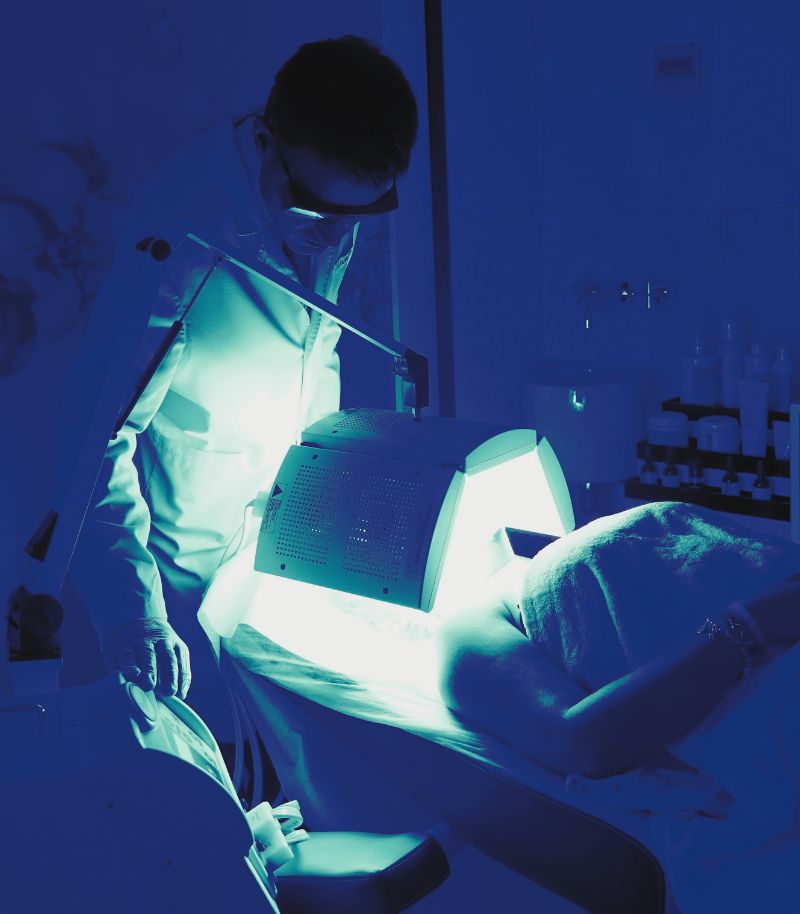
Biophotonic therapy has become one of the most innovative and safe options for treating acne without resorting to drugs. It uses LED light of different wavelengths to stimulate the skin’s defense mechanisms, reducing inflammation and improving its appearance without side effects.
LED light against acne
This treatment eliminates the bacteria responsible for acne without the need for antibiotics, reducing inflammation and redness of lesions. At the same time, it activates microcirculation, improving cellular oxygenation and helping to normalize fat production in the skin, preventing the appearance of new outbreaks.
Collagen stimulation and scar improvement
In addition to treating active acne, biophotonic therapy stimulates the production of collagen and elastin, promoting skin repair and minimizing the appearance of scars. Its combination with other treatments, such as fractional laser or radiofrequency with microneedles, enhances its effectiveness and allows for a more complete and uniform skin regeneration. With an appropriate protocol, this treatment achieves healthier, more balanced skin without residual marks.
We Provide In-Person Care at our Centers and through Online Consultation
What it is, Symptoms and Treatment
Information about Acne
Acne is a disease caused by the inflammation of pilosebaceous follicles; anatomical structures that encompass the hair follicle, the sebaceous gland responsible for secreting the fat of the hydrolipidic mantle that protects our epidermis, and the erector muscle; responsible for, for example, giving us goosebumps in response to certain stimuli.
Causes of Acne
Due to a combination of factors, including genetic predisposition, certain hormonal alterations, stress, intake of certain medications such as corticosteroids, accumulation of dead cells, or the action of the Propionibacterium acnes bacteria, the pilosebaceous follicle outlet becomes obstructed and inflamed, giving rise to comedones; which are the typical acne lesions primarily located in areas with the highest concentration of sebaceous glands: the face, back, chest, shoulders, and even the upper arms.
Symptoms and Manifestations of Acne
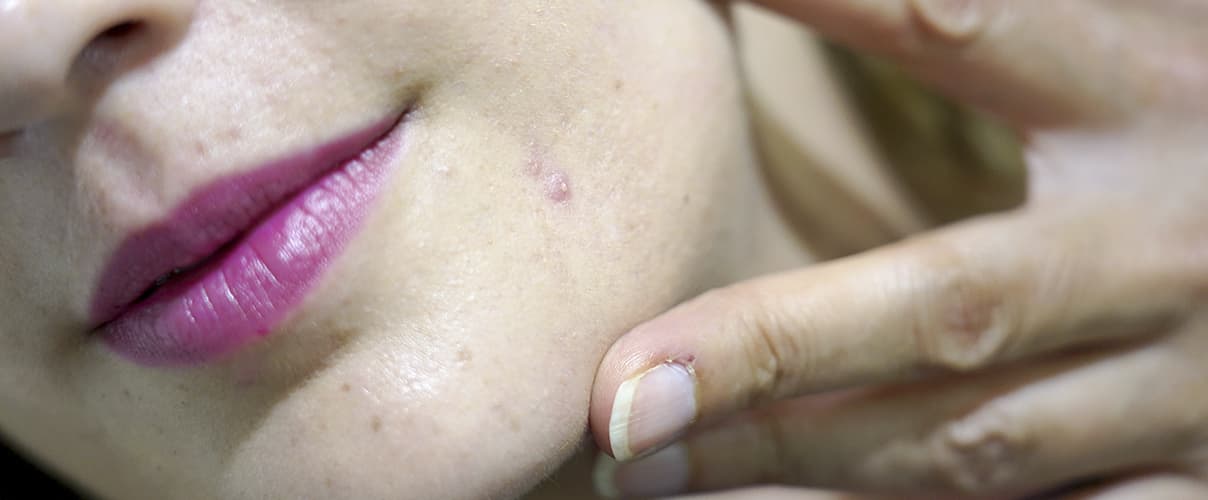
The most common characteristic acne lesions are open comedones and closed comedones, commonly known as pimples, zits, and blackheads.
Pimples or closed comedones can be more or less swollen, are reddish in color, and are painful to the touch, especially in certain locations on the face. Additionally, although it doesn’t always happen, they can accumulate pus at their tip.
On the other hand, open comedones or blackheads do not present inflammation, although the pilosebaceous follicle outlet is also obstructed. They don’t hurt, and their characteristic dark color is due to the oxidation of keratin and substances that accumulate inside the comedone when in contact with air.
However, although less frequent, acne can also present with deeper inflammatory lesions in the form of pustules, cysts, and nodules that, in their more severe forms, are quite painful and can even cause abscesses and fever.
Diagnosis of Acne
The diagnosis of acne is primarily clinical and is carried out in consultation by examining the patient’s skin. However, acne specialists may consider the possibility of requiring an analytical and hormonal study to establish a diagnosis tailored to each patient’s profile.
At the Acne Unit of Grupo Pedro Jaén, we advocate for conducting a differential diagnosis to establish a tailored treatment that achieves acne cure and avoids sequelae in the form of irreversible marks and scars. For this reason, our dermatologists who are experts in acne carry out an individualized management of each patient based on their age, the characteristics of their lesions (whether inflammatory types predominate, if there are cysts…), and their clinical and personal circumstances, such as pregnancy, breastfeeding, or the existence of other pathologies whose treatment is not compatible with that of acne.
Likewise, the exhaustive study of each patient by our dermatologists specialized in acne treatment allows ruling out the existence of associated diseases that justify the skin lesions and referring to the appropriate specialist to also treat the underlying pathology.
Types of Acne
The most common types of acne are the following:
Acné neonatal y acné infantil
As we have mentioned, acne is not a skin disease exclusive to adolescence. Infants and young children can be affected by it. Neonatal acne appears in the first weeks of life; there are even cases in newborns. As for infantile acne, it usually begins when the child is between four and six months old and lasts until they are two or three years old.
Both types of acne in such young patients are more common in boys than in girls, and their skin manifestations are very similar to those of juvenile acne. That is, both typical comedones and inflammatory lesions are observed, with the latter being much more frequent in neonatal patients.
Generally, the diagnosis of neonatal and infantile acne is clinical, although depending on the context, it is necessary to carry out complementary analytics and refer the case to the pediatrician, given that some cases of infantile acne may be related to mild forms of congenital adrenal hyperplasia or other types of hormonal alterations.
Acné juvenil
Juvenile acne is the most prevalent form of this dermatological pathology and perhaps represents the health problem that most concerns patients in this age range; both due to the aesthetic impact produced by the pimples and the emotional sequelae it entails.
It is estimated that around 80% of teenagers suffer from acne to a greater or lesser extent. Although until a few years ago there was a clear tendency not to apply treatment, mistakenly thinking it was something temporary, dermatologists now advocate for early diagnosis and treatment to avoid immediate skin damage and aesthetic sequelae in the medium and long term. It has been proven that the longer the disease lasts, the more likely it is to leave marks, spots, and scars.
Another reason to establish an effective treatment against acne is related to the emotional health of patients, as there is extensive scientific evidence indicating that acne is one of the elements that most deteriorates the self-esteem and psychological balance of young people who suffer from it.
The typical lesions of juvenile acne are associated with hormonal variations characteristic of adolescence, so they usually manifest around 11 years old, remain chronic or intermittent until 15 (approximately), and begin to progressively subside towards 18-20.
Generally, comedones are distributed in areas of the face where there are more sebaceous glands; that is, in the famous T-zone (axis formed by forehead, nose, and chin) and on the cheeks. However, patients with more severe forms of juvenile acne may have pimples on the chest, back, and upper arms, especially males.
Normally, boys experience more virulent forms of juvenile acne due to the influence of testosterone and the fact that their skin is thicker and has more sebaceous glands, which favors the obstruction of pilosebaceous follicles and the formation of comedones.
However, also due to hormonal causes, girls tend to suffer from less aggressive acne, but for a longer time. In them, it is common for acne to worsen during the second half of the menstrual cycle, as an increase in sebum secretion occurs prior to the arrival of menstruation, one of the factors that trigger the appearance of pimples.
Acné adulto
Adult acne is an increasingly frequent reason for consultation in Dermatology. Within this class of acne, which affects patients over 25 years old, dermatologists speak of persistent adult acne, when it occurs in patients who have been suffering from it since their adolescence, and late-onset adult acne, in cases where the pathology debuts beyond 25 years of age.
It is much more common in women than in men; 30% compared to less than 10%, and it tends to manifest more severely. So much so that currently there is more talk about adult female acne than adult acne itself.
Although the characteristic lesions of adult acne are the same as those of juvenile acne, they are distributed according to a different pattern; specifically in a U-shape (axis formed by the mandibular angles, the peribuccal area, and the neck), compared to the T-shape (forehead, nose, chin) of younger patients.
Likewise, the diagnosis and treatment of adult acne are conditioned by hormonal factors and by the fact that acne lesions at this age tend to have a much greater inflammatory character, which in turn increases the risk of leaving scars.
Otros tipos de acné
There are other types of acne that require specific treatments according to the diagnosis established by the dermatologist to avoid aggravating the clinical picture and the state of the lesions:
Summer acne
It is a type of acne triggered by ultraviolet radiation. It is much more inflammatory than common acne, very virulent, and manifests mainly on the upper torso and arms of people who already have or have had common acne and expose themselves to the sun without adequate photoprotection. Summer acne, also known as Mallorca acne, persists in part thanks to false beliefs that sunbathing makes pimples disappear and that people with acne should not use photoprotectors because they provide a lot of oil. Neither is correct.
On the one hand, although it is true that the sun dries out the skin and has some anti-inflammatory effect, the reality is that the improvement in terms of the presence of comedones and blackheads is transitory. Additionally, it must be taken into account that the sun produces a thickening of the corneal layer of the skin (the outermost) and favors the obstruction of pilosebaceous follicles, worsening acne and causing a very frequent rebound effect at the end of summer.
Regarding the use of photoprotectors, there are currently oil-free sunscreens that also incorporate active ingredients that help treat acne.
Friction acne
Also known as mechanical acne, it is caused by direct and permanent contact of sweat with areas where clothing rubs (straps, belts, laces…). This sweat irritates the skin and leads to an increase in sebum production and obstruction of the pilosebaceous follicles, resulting in pimples and comedones. Frictional acne can cause itching; continuous scratching can spread acne-causing bacteria, damage the skin, and worsen its condition. This friction acne is relatively common in athletes due to the rubbing of sports clothing.
Excoriated Acne
It results from continuous and compulsive scratching and manipulation of pimples, leading to large marks and scars. Far from removing comedones, these habits favor the proliferation and spread of bacteria and aggravate skin lesions due to the pressure exerted with fingernails or other objects used to pop pimples and blackheads. It is more commonly found on the face, as it is an easily accessible area.
Drug-Induced Acne
This type of acne is induced by treatments with certain drugs, such as corticosteroids, barbiturates, oral contraceptives… and its treatment depends on the drugs that have triggered it.
Inverse Acne
It occurs when the sweat glands in the armpits, groin, and breasts become clogged, leading to an inflammatory process and the formation of nodules that can become quite painful. It is important to treat this type of acne, as the lesions tend to reappear, become hyperpigmented, or leave scars.
“Generally, the Best Results are Achieved by Combining Several Therapeutic Options and Acting Early”
Acne Treatments
There are several lines of treatment for acne that the specialists at the Acne Unit of Grupo Pedro Jaén apply individually based on each specific case. Generally, the best results are achieved by combining several of these therapeutic options and acting early so that each patient improves in the shortest possible time without the clinical picture rebounding, worsening, or leaving sequelae.
When deciding on the treatment, a dermatologist specializing in acne will also take into account issues such as the patient’s age, whether it is a pregnant woman, the presence of marks or scars, the characteristics and state of the comedones (which can be open or closed), the degree of inflammation, the affected areas, the possibility of opting for treatments that also have an anti-aging effect, and whether it is necessary to add laser sessions to topical and oral treatments.
Tratamientos tópicos
Topical treatments for acne can be formulated as gels, masks, creams, or lotions. They contain various active ingredients (alpha-hydroxy acids, azelaic acid, beta-hydroxy acids, benzoyl peroxide…) that are presented at different concentrations:
- Sebum regulators. They modulate the production of oil so that it is not excessive.
- Keratolytics. They prevent the accumulation of keratin and the obstruction of the pilosebaceous follicle. They refine the skin surface.
- Comedolytics. They destroy pimples and blackheads.
Our dermatologists choose the most suitable option for each patient, taking into account that the higher the percentage of active ingredient, the more effective the treatment is, but it also has greater potential to irritate the skin.
Therefore, low concentrations are usually indicated for more sensitive skin, and higher ones are used as the patient tolerates the treatment better. That’s why it’s important for the acne specialist to periodically monitor the patient’s progress to modify the dose according to the response and tolerance of the skin.
Tratamientos orales
There are various oral therapeutic options for the treatment of acne that the dermatologist should prescribe according to each case. These treatments are aimed at controlling oil production, reducing inflammation, eradicating Cutibacterium acnes (a bacterium that feeds on sebum and waste substances closely linked to acne), balancing the hormonal profile in case that factor is behind excessive oil production, or reducing inflammation.
The goal of these therapies, which are increasingly safe and effective using minimal doses, is to control acne and prevent marks, scars, or pigmentation alterations associated with this skin condition.
Although these medications are subject to prescription, it is important for each patient to consult with the dermatologist to design a therapy adapted to the specific needs of each patient to act on the triggers of acne, control outbreaks, and prevent or treat the sequelae of this skin disease, such as marks and scars.
Tratamientos con láser
Laser is gaining ground in the therapeutic range for acne due to the multiple alternatives offered by different devices. The most up-to-date scientific evidence supports the use of laser in acne treatment, generally alongside other acne therapies and, depending on each case, combining different types of laser.
Thus, depending on the type of acne, its manifestations, and possible sequelae, we have:
Pulsed dye laser
To reduce inflammation associated with comedones and cysts caused by acne. It accelerates the healing of lesions.
Vascular laser
It is used to improve inflammation and reduce the redness of pimples and improve the appearance of the skin.
Pigment laser
To lighten hyperpigmented (dark) spots and scars left by acne after the pimple has disappeared, a very common problem in people with darker skin tones.
Ablative and non-ablative fractional laser
These devices can be used alone or combined to treat skin atrophy and acne scars.
The dermatologists in our Acne Unit are experts in handling different laser devices for treating this skin condition. Additionally, they have the support of technology and specialists from the Laser Unit of Grupo Pedro Jaén, the largest in Europe in the private sector, which ensures the best selection of treatments to achieve maximum effectiveness.
Regardless of the therapeutic protocol recommended by the acne specialist, it is important for the patient to follow their instructions in order to eradicate lesions, improve skin appearance, prevent outbreaks, and avoid the appearance of scars, marks, or spots.
Terapia biofotónica para el acné
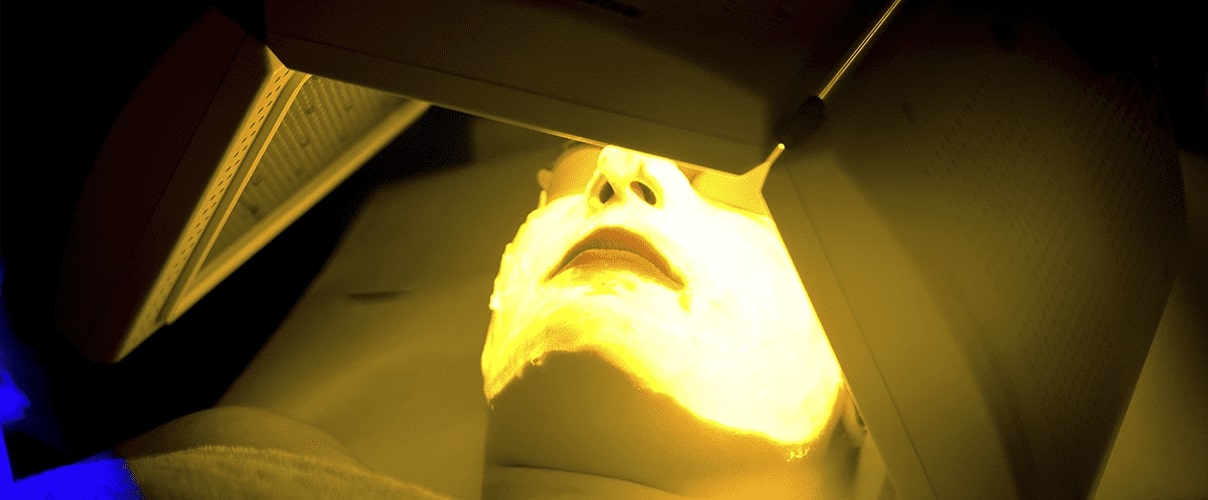
Biophotonic therapy consists of applying a lamp with three panels equipped with high-power LED lights that emit blue light at a short distance from the patient’s skin, on which a photoconverter gel is previously applied.
The light emitted by the biophotonic device eliminates bacteria and exerts an anti-inflammatory effect on acne lesions. Likewise, this treatment activates microcirculation in the treated area, normalizes cellular activity, and relieves the redness of pimples. It also induces the production of natural collagen, which has a positive effect in reducing acne scars and improving the overall appearance of the skin.
One of the greatest advantages of biophotonic therapy is that it is useful for all forms of acne, even the most severe ones. On the other hand, the treatment consists of several sessions of only nine minutes each, applied over six weeks. It is painless and significantly improves skin quality, making it also a resource used for skin rejuvenation.
After each session, a moisturizer is applied, preferably with sun protection factor, and the patient can immediately resume their social and work activities. Makeup can be used, taking care to choose oil-free formulas. It is also advisable to drink plenty of water to help hydrate the skin.
Acne lesions remit in 90% of patients within 12 weeks of starting treatment. The good results are enhanced several weeks after the treatment has concluded.
More information
Below are the frequently asked questions, authorship, and references for the information provided on this page
Preguntas frecuentes sobre el acné
Are there foods that cause acne?
Some research has linked diets high in refined sugars, ultra-processed products, and dairy to acne. However, the relationship between specific foods, such as chocolate, chorizo, or fried foods, is not real and responds more to myths about acne that should be dispelled. Except in cases where food allergies or intolerances exist, consuming a specific food does not directly aggravate acne or skin condition.
Does stress cause acne?
Stress and emotional tension are not direct causes of acne. However, as with other dermatological conditions such as rosacea, psoriasis, or atopic dermatitis, stress aggravates existing acne, as they share certain biochemical mechanisms.
Does sunbathing cure acne?
It has always been said that acne is cured in summer by sunbathing. However, this is not exactly true. The sun has an anti-inflammatory effect and dries out the skin, which can temporarily improve acne. Nevertheless, the hormonal factors and overproduction of sebum responsible for the appearance of pimples and comedones remain present, so the condition is not cured by sunbathing. Moreover, solar radiation can hyperpigment typical acne lesions and promote the permanence of marks and scars.
On the other hand, sun exposure also promotes the obstruction of pilosebaceous follicles due to the thickening of the stratum corneum, which results in a rebound effect that we frequently see at the end of summer.
Why shouldn’t you pop pimples?
Touching, squeezing, or popping pimples are behaviors we should avoid at all costs for several reasons. On one hand, this action increases the risk of causing infections by spreading bacteria and due to the trauma we cause to the skin by pressing the area or injuring it with our nails. On the other hand, these factors in turn increase the possibility of leaving marks and scars that may require specific treatment for their removal.
Therefore, the best way to make a comedone disappear is to have a little patience and apply specific products prescribed by an acne specialist, aimed at relieving inflammation and unclogging the pilosebaceous pore.
Are oral medications for acne safe?
Yes, but they are not over-the-counter; they can only be obtained with a prescription. The specialist must prescribe and supervise oral acne treatment to ensure its safety and avoid side effects.
Facial cleansing and acne… the more the better?
There is a marked tendency to overuse cleansing and exfoliating products in the hope of removing comedones and permanently ending acne. It’s true that, according to specialists, facial cleansing is key to keeping it at bay. However, overdoing this habit or using overly aggressive products can irritate the skin and cause a rebound effect. In the opinion of dermatologists, it’s best to clean the skin with products specific for acne-prone skin, use oil-free cosmetics, and protect from the sun with oil-free sunscreens that also incorporate active ingredients that help treat acne.
How can I care for my acne-prone skin
Clean it with specific products for acne-prone skin aimed at cleansing the pore and removing excess sebum.
Use oil-free cosmetics and light, non-comedogenic makeup. Don’t share it and don’t forget to clean your makeup brushes, sponges, and applicators frequently.
Don’t self-diagnose and don’t self-medicate. The dermatologist is the professional who can best help cure acne. Otherwise, the condition may worsen and leave difficult-to-treat sequelae.
Regularly visit a specialized beauty center and apply a specific facial hygiene routine for acne-prone skin.
Autoría del contenido de esta página y referencias
The content of this page has been prepared by the Communication Department and the Medical Team of Grupo Pedro Jaén following our editorial commitment, through which we guarantee the truthfulness and updating of the information provided.
References about acne:
1. Gabriella Fabbrocini, corresponding author Sara Cacciapuoti, and Giuseppe Monfrecola. A Qualitative Investigation of the Impact of Acne on Health-Related Quality of Life (HRQL): Development of a Conceptual Model. Dermatol Ther (Heidelb). 2018 Mar; 8(1): 85–99. Published online 2018 Feb 12. doi: 10.1007/s13555-018-0224-7. PMCID: PMC5825329. PMID: 29435857.
2. A.U. Tan, MD,⁎ B.J. Schlosser, MD, PhD, and A.S. Paller, MD. A review of diagnosis and treatment of acne in adult female patients. Int J Womens Dermatol. 2018 Jun; 4(2): 56–71. Published online 2017 Dec 23. doi: 10.1016/j.ijwd.2017.10.006. PMCID: PMC5986265. PMID: 29872679.
3. Alexander KC Leung,corresponding author Benjamin Barankin, Joseph M Lam, Kin Fon Leong and Kam Lun Hon. Dermatology: how to manage acne vulgaris. Drugs Context. 2021; 10: 2021-8-6. Published online 2021 Oct 11. doi: 10.7573/dic.2021-8-6. PMCID: PMC8510514. PMID: 34691199.
4. Darren D Lynn, Tamara Umari, Cory A Dunnick and Robert P Dellavalle. The epidemiology of acne vulgaris in late adolescence. Adolesc Health Med Ther. 2016; 7: 13–25. Published online 2016 Jan 19. doi: 10.2147/AHMT.S55832. PMCID: PMC4769025. PMID: 26955297.
5. Jianting Yang, Haoran Yang, Aie Xu, and Li He. A Review of Advancement on Influencing Factors of Acne: An Emphasis on Environment Characteristics. Front Public Health. 2020; 8: 450. Published online 2020 Sep 17. doi: 10.3389/fpubh.2020.00450 PMCID: PMC7527424. PMID: 33042936.
6. Zaenglein AL, Pathy AL, Schlosser BJ, Alikhan A, Baldwin HE, Berson DS, Bowe WP, Graber EM, Harper JC, Kang S, Keri JE, Leyden JJ, Reynolds RV, Silverberg NB, Stein Gold LF, Tollefson MM, Weiss JS, Dolan NC, Sagan AA, Stern M, Boyer KM, Bhushan R. Guidelines of care for the management of acne vulgaris. J Am Acad Dermatol. 2016 May;74(5):945-73.e33. doi: 10.1016/j.jaad.2015.12.037. Epub 2016 Feb 17. Erratum in: J Am Acad Dermatol. 2020 Jun;82(6):1576. PMID: 26897386.
7. John S. Strauss,Daniel P. Krowchuk,James J. Leyden,Anne W. Lucky,Alan R. Shalita,Elaine C. Siegfried,Diane M. Thiboutot,Abby S. Van Voorhees,Karl A. Beutner,Carol K. Sieck,Reva Bhushan. Guidelines of care for acne vulgaris management. Journal of the American Academy of Dermatology Volume 56, Issue 4, April 2007, Pages 651-663. DOI: 10.1016/j.jaad.2006.08.048.
8. B Dréno. What is new in the pathophysiology of acne, an overview. J Eur Acad Dermatol Venereol. 2017 Sep;31 Suppl 5:8-12. doi: 10.1111/jdv.14374. PMID: 28805938.
Dermatologists Specialized in Acne Treatment
We have a team of experienced professionals
Where Do We Treat You?
Centers in Madrid
Grupo Pedro Jaén is a medical center founded more than three decades ago with the aim of offering medical, surgical, and aesthetic solutions related to skin health and appearance. Directed by Dr. Pedro Jaén, president of the Spanish Academy of Dermatology and Venereology (AEDV), the group has a medical team that covers each treatment area with top-level specialists, develops intensive training, is a leader in medical research, and has several clinics located in Madrid, from which it offers the highest quality and excellence in care to all its patients.

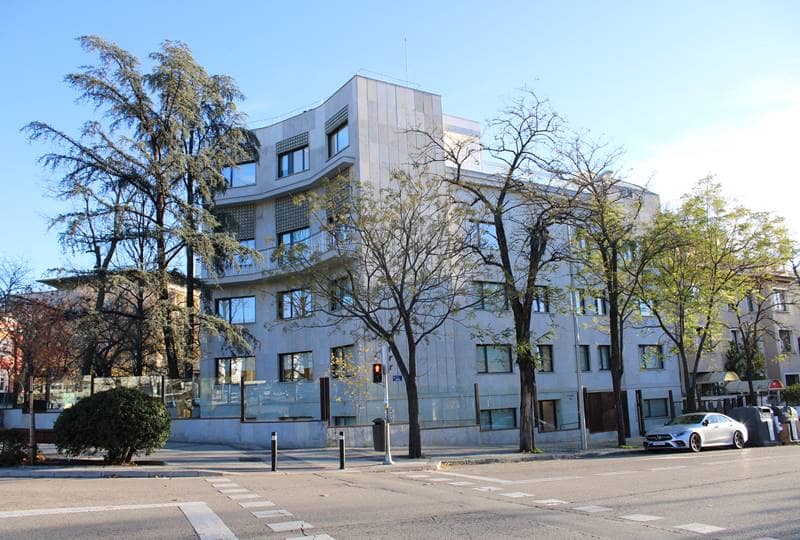
Calle Serrano 143
This center is the main headquarters of Grupo Pedro Jaén. It offers diagnostic and treatment services in skin cancer, clinical and aesthetic dermatology, laser, and other related specialties.
Mon – Fri: 09:00 – 21:00 / Sat: 09:00 – 14:00
Calle Serrano 143, El Viso Neighborhood, Chamartín District, 28006 Madrid
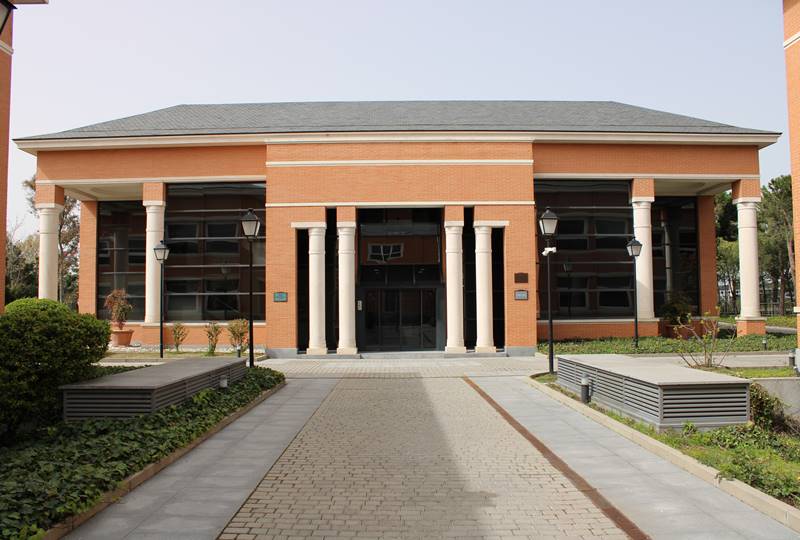
La Moraleja
Located in Plaza de La Moraleja, this exclusive center allows Grupo Pedro Jaén to bring its medical and aesthetic services closer to users throughout the northern area of Madrid.
Mon – Thu: 09:30 – 20:00 / Fri: 09:30 – 18:00
Calle de la Estafeta, 8, ground floor, La Moraleja, 28109 Alcobendas, Madrid.
Related Units and Pages
Unidad de Láser
International reference in laser and pulsed light treatments in both clinical and aesthetic areas.
Dermatología clínica
Top-level specialists in each skin pathology who have access to the most advanced treatments.
Cicatrices
Personalized treatments completely adapted to the type and characteristics of each scar.
Information and News
Press Room
In the Press Room of Grupo Pedro Jaén, you can find information, advice, and news about dermatology, aesthetics, trichology, and general health. The Magazines that the Group periodically publishes are also shared on an online platform, and information is provided about the activity and media appearances of our different centers and health professionals.

Ventajas del titanio trabecular en la cirugía de recambio de prótesis rodilla
Curabitur fringilla malesuada magna, in vehicula tortor hendrerit quis. Cras dolor odio, faucibus elementum egestas a, auctor sed nisl. Suspendisse in odio justo.

Blog
News about Grupo Pedro Jaén. Information and advice on dermatology, aesthetics, trichology, and general health.

Medios
Information about media appearances of our clinics and various specialists.

Revista
Archive of publications of all Grupo Pedro Jaén magazines that can be viewed on an external online platform.